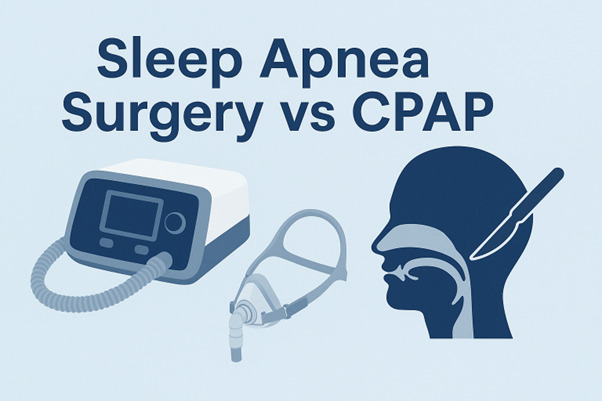
Understanding Sleep Apnea and Its Treatment Options
Obstructive Sleep Apnea (OSA) is a serious condition that disrupts breathing during sleep. The airway repeatedly collapses, causing oxygen levels to drop and leading to restless, poor-quality sleep. Over time, untreated OSA increases the risk of hypertension, heart disease, diabetes, and chronic fatigue.
In Singapore, OSA is becoming more common due to modern lifestyles, weight-related factors, and craniofacial anatomy. It can affect anyone, including those who appear fit and healthy.
There are two main approaches to treating OSA: Continuous Positive Airway Pressure (CPAP) therapy and sleep apnea surgery. Each option has its strengths, and deciding which is best depends on your anatomy, comfort, and medical history. This article explains both treatments, compares their effectiveness, and offers expert insights from an ENT perspective to help you choose wisely.
CPAP Therapy at a Glance
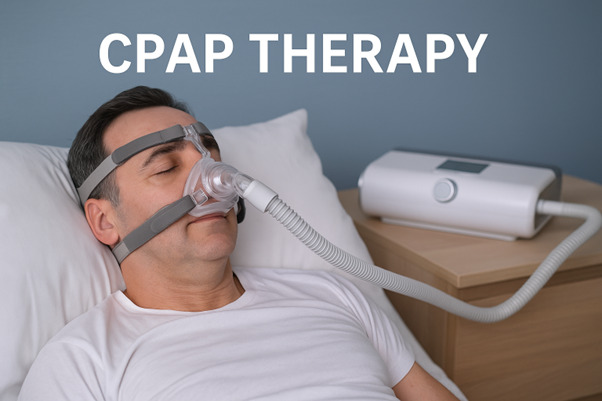
CPAP therapy works by providing a constant stream of air through a mask worn during sleep. This gentle pressure keeps the airway open, preventing interruptions in breathing. It is widely recognised as the gold standard for managing sleep apnea, particularly for moderate to severe cases.
How CPAP Helps
CPAP has proven success in reducing apnoea events and restoring normal oxygen levels. Patients often experience dramatic improvements in daytime alertness, mood, and concentration. It also lowers cardiovascular risks and promotes overall wellbeing. CPAP is adjustable, reversible, and non-invasive, making it a safe starting point for most patients.
Challenges and Considerations
Despite its effectiveness, CPAP requires consistent use to work. Some patients find the mask uncomfortable or experience dryness, nasal congestion, or noise disturbances. Others struggle to adjust to sleeping with a device. Long-term adherence is key, and this is where many people face difficulties. As a result, surgery is sometimes explored for those unable to tolerate CPAP or those seeking a more permanent solution.
Surgical Options for Sleep Apnea
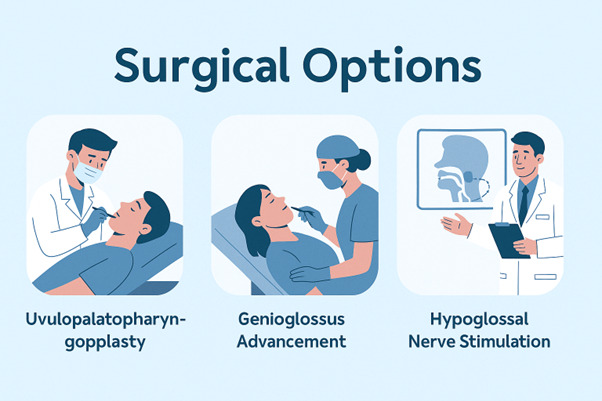
Surgery is generally recommended when there is a structural blockage that CPAP cannot adequately address. An ENT specialist will evaluate your airway anatomy through endoscopy and imaging to determine the areas of obstruction. Treatment is then tailored to target those specific sites.
Common Surgical Approaches
There are several types of surgical procedures used to treat OSA:
- Nasal Surgery: Improves airflow by correcting a deviated septum or reducing enlarged turbinates. This can also make CPAP therapy more comfortable.
- Tonsil or Palate Surgery (UPPP): Removes or tightens tissue at the back of the throat to prevent collapse during sleep.
- Jaw Advancement Surgery: Repositions the upper and lower jaws to increase airway space and stability.
- Upper Airway Stimulation (Implant): A modern, minimally invasive device that stimulates tongue muscles during sleep to keep the airway open.
Benefits of Surgery
Surgery provides structural correction, targeting the root cause of the obstruction. Once healing is complete, patients no longer depend on nightly equipment. Many enjoy long-term relief from snoring and interrupted sleep. For some, it completely eliminates the need for CPAP. Moreover, surgical innovations have improved comfort, reduced recovery time, and enhanced overall success rates.
Risks and Limitations
Like all medical procedures, surgery carries risks such as bleeding, infection, or changes in voice or swallowing. Results can vary depending on anatomy, body weight, and general health. Some patients may still require CPAP or additional surgery for optimal results. This is why professional evaluation at a dedicated sleep apnea clinic in Singapore is crucial before proceeding.
CPAP vs Surgery: How Do They Compare?
Both CPAP and surgery aim to prevent airway collapse, but they differ in approach and patient experience. CPAP offers high effectiveness when used correctly, providing immediate improvement without altering anatomy. It is the most flexible option for patients who prefer non-surgical management. However, it only works while being used.
Surgery, on the other hand, corrects the structural cause, offering long-term improvement without daily dependence on equipment. Once healed, it can feel liberating for patients who struggled with CPAP use. Success rates vary but can be high for the right candidates. In fact, combining both—such as nasal surgery to improve CPAP comfort—can yield the best results.
Long-Term Outcomes
CPAP’s effectiveness depends on consistent nightly use. When patients adhere to therapy, it provides lifelong benefits. Surgical outcomes are usually durable, especially in younger patients or those who maintain healthy body weight.
Lifestyle changes, such as diet and exercise, play an important role in maintaining long-term success regardless of treatment choice.
Choosing the Right Treatment in Singapore
Choosing the right sleep apnea treatment, whether CPAP therapy or surgery, should always start with a comprehensive sleep evaluation. The most suitable option will depend on several factors:
- Severity of OSA: Mild cases may respond to CPAP or lifestyle modifications, while severe cases might need surgery or combined treatment.
- Anatomy: Enlarged tonsils, nasal obstruction, or jaw structure determine which surgical approach is suitable.
- Body Weight: Excess fat tissue around the neck can worsen obstruction, impacting both CPAP efficiency and surgical success.
- CPAP Tolerance: Some patients adapt easily to CPAP, while others cannot maintain regular use.
Singapore’s healthcare system provides access to specialised ENT surgeons and sleep clinics equipped with advanced diagnostics. Many hospitals offer minimally invasive techniques and modern therapies such as upper airway stimulation. These innovations provide safer, more precise outcomes tailored to each patient’s needs.
Life After Treatment: Recovery and Lifestyle
Whichever path you choose, ongoing care is vital. After surgery, most patients experience improved breathing and reduced snoring within weeks. Recovery varies depending on the procedure, but modern surgical techniques minimise discomfort and downtime. For CPAP users, regular mask fitting and equipment checks ensure continued effectiveness.
Lifestyle adjustments are equally important. Maintaining a healthy weight, exercising regularly, and avoiding alcohol or sedatives before bedtime can enhance both CPAP and surgical results. Consistent sleep routines and follow-up assessments at your sleep apnea clinic in Singapore help ensure lasting improvement.
Combining CPAP and Surgery for Better Results
In many cases, combining both approaches delivers the best outcome. For example, nasal surgery can make CPAP more comfortable by improving airflow, leading to better adherence. Similarly, patients who undergo throat or jaw surgery may still use CPAP at lower pressures during recovery.
A collaborative treatment plan designed by your ENT and sleep specialist ensures long-term effectiveness and comfort.
Summary and Expert Advice
Both CPAP and sleep apnea surgery are effective solutions for managing OSA, but their suitability depends on the individual. CPAP remains the safest and most reversible option for most patients, while surgery offers lasting anatomical correction and independence from nightly device use. The best results come from personalised treatment guided by a specialist who understands your condition, anatomy, and goals.
If you are unsure which option is right for you, schedule a consultation at a reputable sleep apnea clinic in Singapore. A thorough assessment can identify the exact cause of your airway obstruction and help you decide between CPAP, surgery, or a combination of both.
With expert guidance and consistent follow-up, achieving deep, restorative sleep is not only possible—it’s life-changing.
продвижение сайта с гарантией продвижение сайта с гарантией .
Your comment is awaiting moderation.